White Paper
How to Use Social Media to Elevate Customer Service
By the Bright Age Digital Creative Agency team · Updated October 2026

White Paper
By the Bright Age Digital Creative Agency team · Updated October 2026

Today, businesses have more opportunities than ever to communicate directly with consumers online, raise brand awareness, and improve brand loyalty. Discover the newest ways to elevate a brand’s image with customer service on social media, what customers think about speaking with companies online, and how to prepare for the evolving technologies associated with online customer service.
Learn how to:
Before the rise of the internet, people reached customer service departments by telephone, by mail, and at in-store customer service desks. Now, with advanced technology and widespread internet access, people go online every day, not only to complete tasks at work, but also to communicate with people around the world. Today, 6.12 billion people, nearly three-quarters of the world’s population, use the internet.1 So how does the ease of internet access change the way companies perform customer service?
In today’s market, people flock to social media platforms to broadcast their daily mishaps and successes. Social media plays a pivotal role in communicating with friends, family, and brands. David Vap, Group Vice President at Oracle Applications, says that “Consumers today are engaged and empowered like never before and want to get answers to their questions anytime, anywhere, and on any device.”2 The question explored in this white paper is “How does social media customer service affect a brand’s image?” The answer affects not only the customers seeking resolutions online, but also the businesses in charge of replying to them and solving their problems.
Responding to customer feedback through social media should be seen as an opportunity to contribute to the company’s marketing objectives and to generate value. If an amicable solution to a customer’s inquiry or complaint is not found, the business’s image will decline and its customer service ratings will drop, ultimately endangering sales and revenue. However, if a business communicates swiftly and consistently with customers, its brand will likely be perceived more positively. According to a study conducted by Avaya, 56% of customers who interact with a business on social media say they feel a stronger connection with that brand.3 Additionally, when a stronger relationship forms between customers and brands, retention rates and earned media increase.4 Earned media is essentially online word of mouth, such as shares, reviews, or mentions, by groups or individuals unaffiliated with the business (see Figure 1). Paid media results when businesses pay for advertising or sponsor news articles to increase awareness of a company, while owned media is content published or released by the company itself, such as email newsletters or its own social media channels.
Figure 1
Earned, owned & paid media
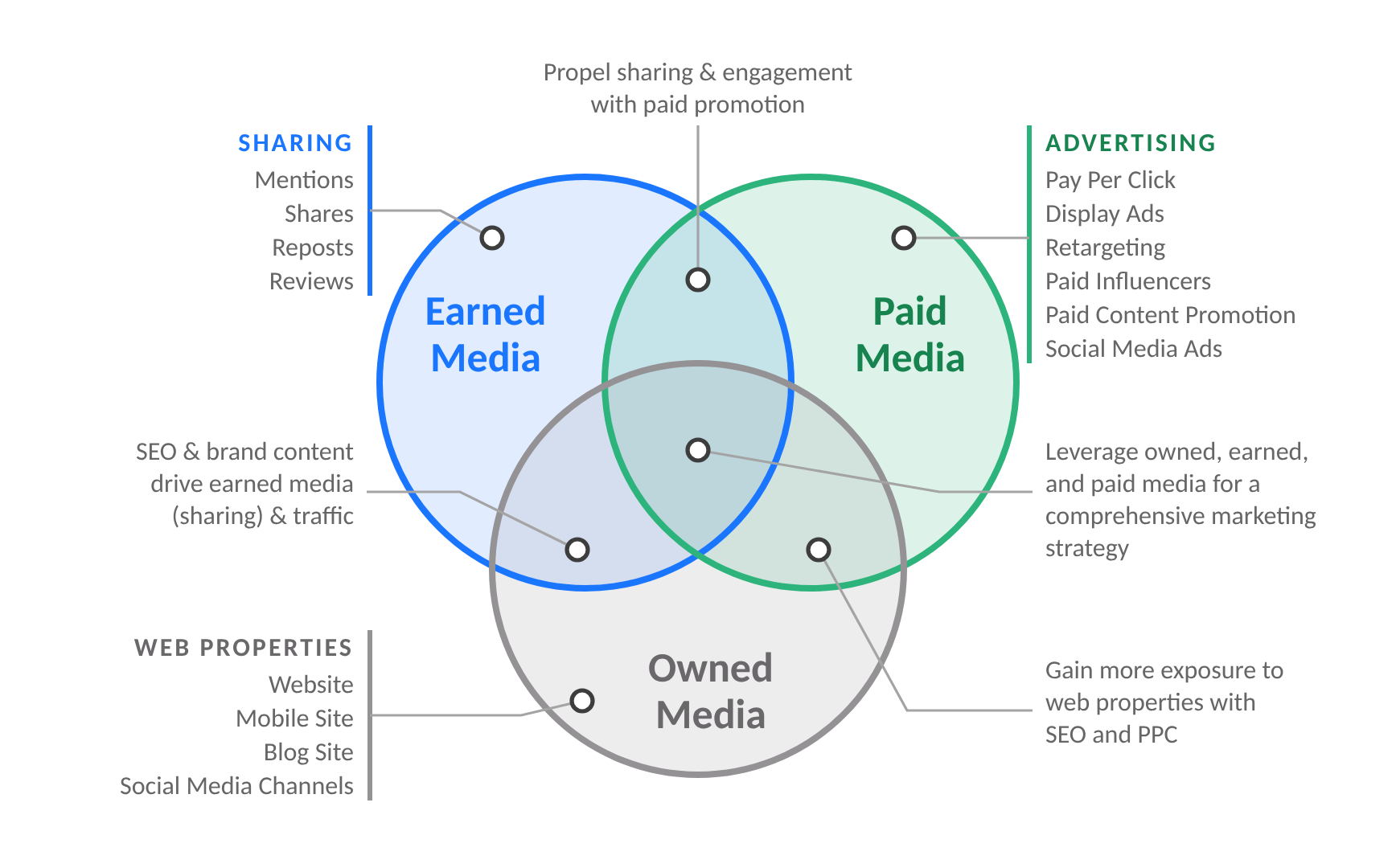
By increasing a company’s earned media, customers engage with its brand more often, nurturing the relationship between consumers and the brand’s products or services. If this earned media is a positive interaction, such as a highly rated review on Yelp, customers are more likely to return to the business and to influence prospective customers to try the company’s products and services.
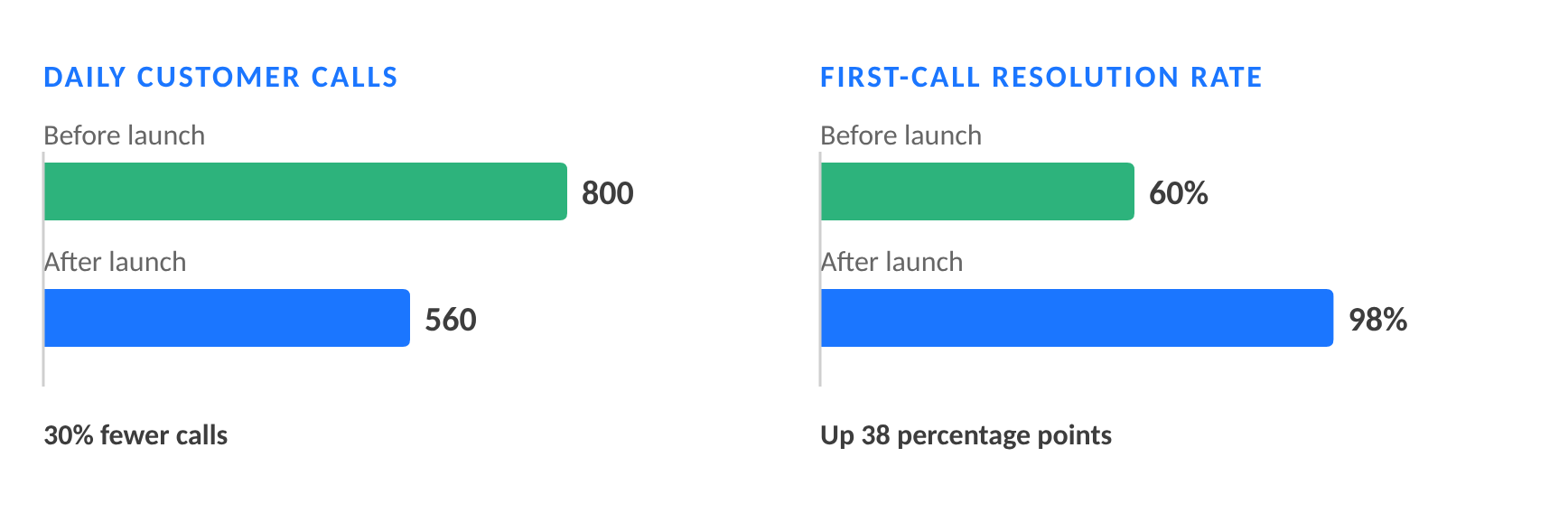
According to a customer service study conducted by Twitter (now X), consumers are 19% more likely to feel they have reached a resolution with a brand after a personalized customer service interaction. And of the consumers who had a personalized interaction, 77% said they are likely to recommend the brand to others.5 Kiddicare, a top United Kingdom baby retailer, integrated customer service into its online community. Almost immediately, Kiddicare saw a 30% reduction in customer calls, and the share of issues resolved during a customer’s first contact with the company rose from 60% to 98%.6 Kiddicare accomplished this by teaming up with an online community management tool that monitors customer postings. The message board went beyond questions and complaints, as the platform enabled and encouraged customer feedback of all sorts. The software also empowered customers to offer solutions to other customers, further strengthening the relationship between customers and the Kiddicare brand. As Figure 2 shows, by replacing the “customer help” forum name with “Get Satisfaction,” Kiddicare further encouraged customers to communicate with one another, as the customer service environment was seen as more of a public space than one limited to company responses.
Figure 2
“A brand’s image may affect any individual who reads a customer service interaction”
Social Media Marketing: Principles and Strategies
The public nature of social media sets it apart from other customer service channels. Any mistakes a company makes leave it vulnerable to widespread exposure, increasing the chance that millions of viewers will watch the unfortunate interaction. However, the same is true of praise and positive responses from satisfied customers, which ultimately help the business involved. A brand’s image may affect any individual who reads a customer service interaction.7
Most businesses have issues with:
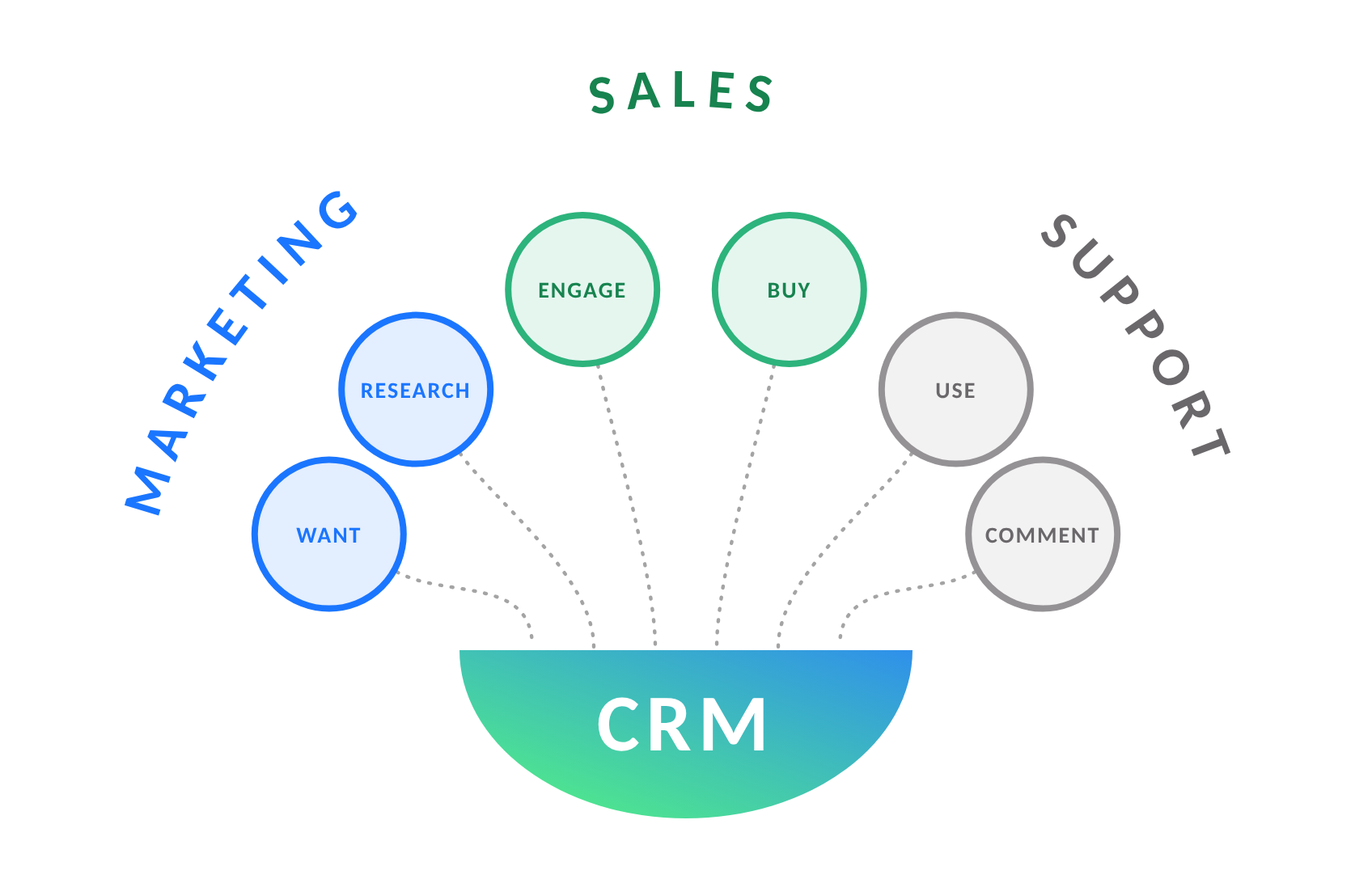
Customer service’s primary purpose is not simply to deliver the correct information to a customer, but to build strong bonds of trust between company representatives and consumers.8 If customers feel respected and understood, they are more likely to purchase from a business again or to recommend it to a friend. The diagram below depicts CRM, or customer relationship management (see Figure 3). The three areas of CRM are marketing, sales, and support.7 Companies striving for higher retention rates and referrals should succeed in all three areas, as they guide a business’s interactions with its customers. By understanding what customers want from customer service, businesses can engage with them and ultimately support their requests.
Figure 3
Customers leave feedback online in a variety of ways, including reviews, comments, questions, and requests. Businesses respond not only to individuals who are unhappy or complaining, but also to people asking about store hours, holiday deals, and store addresses. The conversation that makes up customer service is built not solely on negative remarks, but on positive remarks and the conversation as a whole.
Companies sometimes manage and screen customer content by applying filters in their social media management software. Keywords might include “good,” “fail,” and “broken.” While keywords are great for filtering client feedback, this practice will not solve all of a business’s problems. For instance, a customer may complain that “The food is not good.” Under a simple keyword filter, it appears that the business received a positive comment, but a closer look reveals that the customer was not satisfied with the restaurant experience.
Delta Air Lines, for example, staffed its Twitter support account with teams of customer support representatives ready to help customers who tweeted Delta about flight changes, cancellations, and other situations. While this approach appears expensive to staff, in the long run Delta saves money and increases customer retention with these swift, personalized interactions, compared with representatives who handle customers in person or over the phone.7 Figure 4 shows two examples of how Delta assisted customers via Twitter. One customer support agent offers further assistance, while another responds sympathetically with a sincere apology. Delta often asks customers to send a direct message with their flight confirmation numbers or baggage claim tickets.
Figure 4
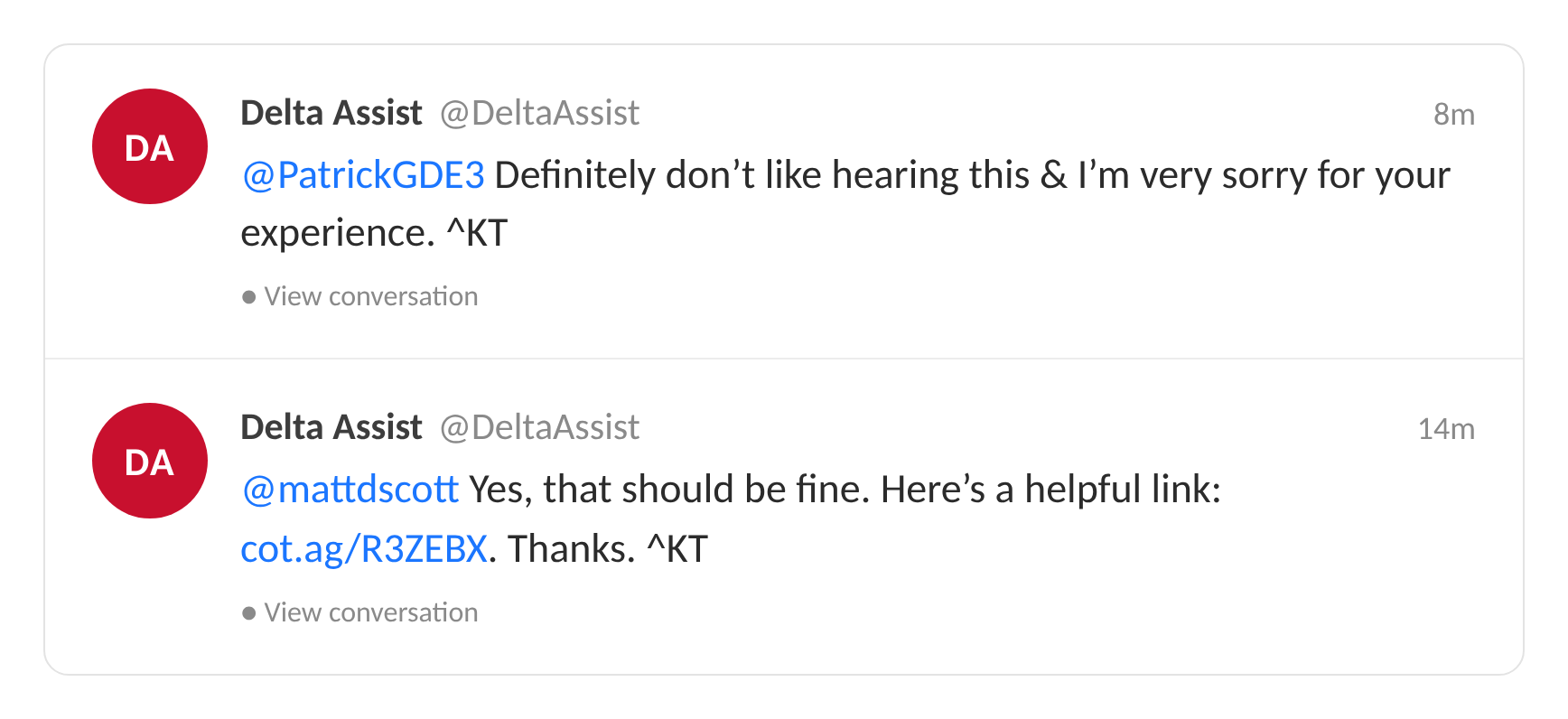
Recreated from two replies posted by Delta’s former @DeltaAssist support account.
“Customers who received poor responses from a company showed a 12% decrease in brand loyalty”
Social Media Marketing: Principles and Strategies
No response is a response. Some businesses choose to ignore certain individuals because of inappropriate language or understaffing. According to USA Today, poor customer service is worse than no customer service. If a business responds to a customer poorly or incorrectly, the customer may become more frustrated, further hurting the brand’s image with that customer. One study showed that customers who received poor responses from a company showed their displeasure by taking their business elsewhere, as reflected in a 12% decrease in brand loyalty.9 Businesses that do not know how to respond to a particular customer’s request or complaint online are better off not responding. While ignoring customers should never become a daily habit, businesses should be aware that not responding to a client’s inquiry is better than responding with wrong or incorrect information.
There is no doubt that customers use social media to file complaints with companies. The chart below shows the percentage of customers who reached out to companies about an issue on various types of websites. Between two editions of the Customer Rage Study, the share of complaints submitted on a social networking site rose 16 percentage points (see Figure 5).10 According to Gartner, 40% of those who make a complaint on social media expect a response within an hour.11 Expectations remain high today: in a 2025 Emplifi survey, 32% of U.S. social media users said they expect a brand to respond within an hour, and nearly nine in ten expect a response within 24 hours.12
Figure 5
Share of problem households who posted a complaint, by type of website
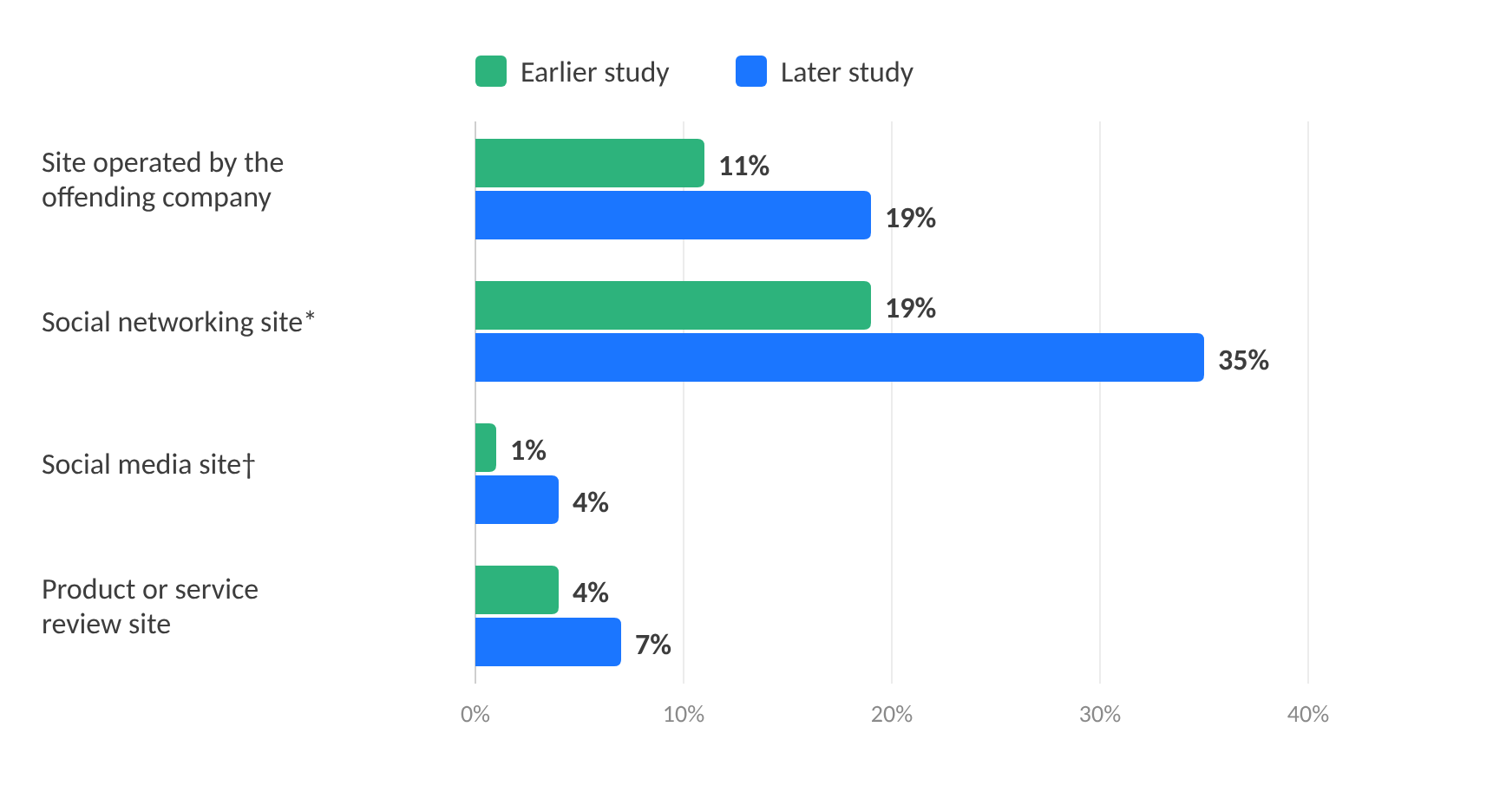
* Site where postings are shared with a defined list of friends, followers, or contacts (a closed system).
† Site where postings are shared with no defined list of friends, followers, or contacts (an open system).
However, the average response time to a social media complaint has been found to be almost five hours.11 Businesses that take more than three hours to respond to customers are not providing great customer service and are reducing their brand value. To improve response times, businesses should use social media management software, such as Hootsuite or Sprout Social, to monitor brand conversations. These programs allow businesses to respond on every social media platform from one dashboard, which saves time for customer service representatives, since they do not need to switch from one social media account to another.
The key to customer service success online is monitoring what customers are saying about your brand, both negative and positive, on social media, review sites, and company website forums. Just because customers communicate with a brand does not mean the brand has to respond to everyone. Businesses should respond when the interaction nurtures the relationship with the customer and encourages them to purchase a product or service again. For example, responding to a positive Yelp review with a simple “Thank you” may not increase the chance that the customer will return. While it is essential to be polite to customers, it is important to understand the difference between communicating with customers online to build rapport and communicating online just to say “hello.”
Delegate a specific team to optimize customer service by constantly monitoring social media platforms throughout the day.
Respond with more than just text.
Monitor campaign success with social media analytics.
There have been numerous studies on the topic of customer service online. As mentioned previously, 40% of customers who file a complaint on a social media platform expect a response within an hour, and consumers who receive a personalized response are 19% more likely to feel their issue was resolved, with 77% of them likely to recommend the brand to others. Another study indicates that 43% of customers prefer to deal with organizations online when handling less complicated issues.15 One reason customers prefer to deal with businesses online for less complicated concerns is the growth of social media use among both consumers and businesses. Because they can post publicly on company social media pages, customers are able to interact with other consumers, increasing their chances of receiving a response, whether from the company or from a fellow customer. As social media use continues to grow, businesses will need to be ready for these interactions among consumers, as more users post questions on business social media accounts.
“45% of those who have used social media for customer service reached out to businesses using Facebook”
Bright Age Survey
In an online research study, Bright Age surveyed 100 participants about how they feel about businesses with customer service departments on social media. Of those who participated, 36% logged on to social media every day, and 30% logged on one to five times a week. While 51% of respondents said they never reach out to companies through social media to solve issues, 40% said a business’s optimal response time on social media is less than an hour. This confirms the previous study conducted by Gartner.11
However, 45% of those who have used social media for customer service reached out to businesses using Facebook. In addition, 65% of users stated that they use social media to give companies positive feedback, which in turn generates positive earned media for the business.
Bright Age Survey
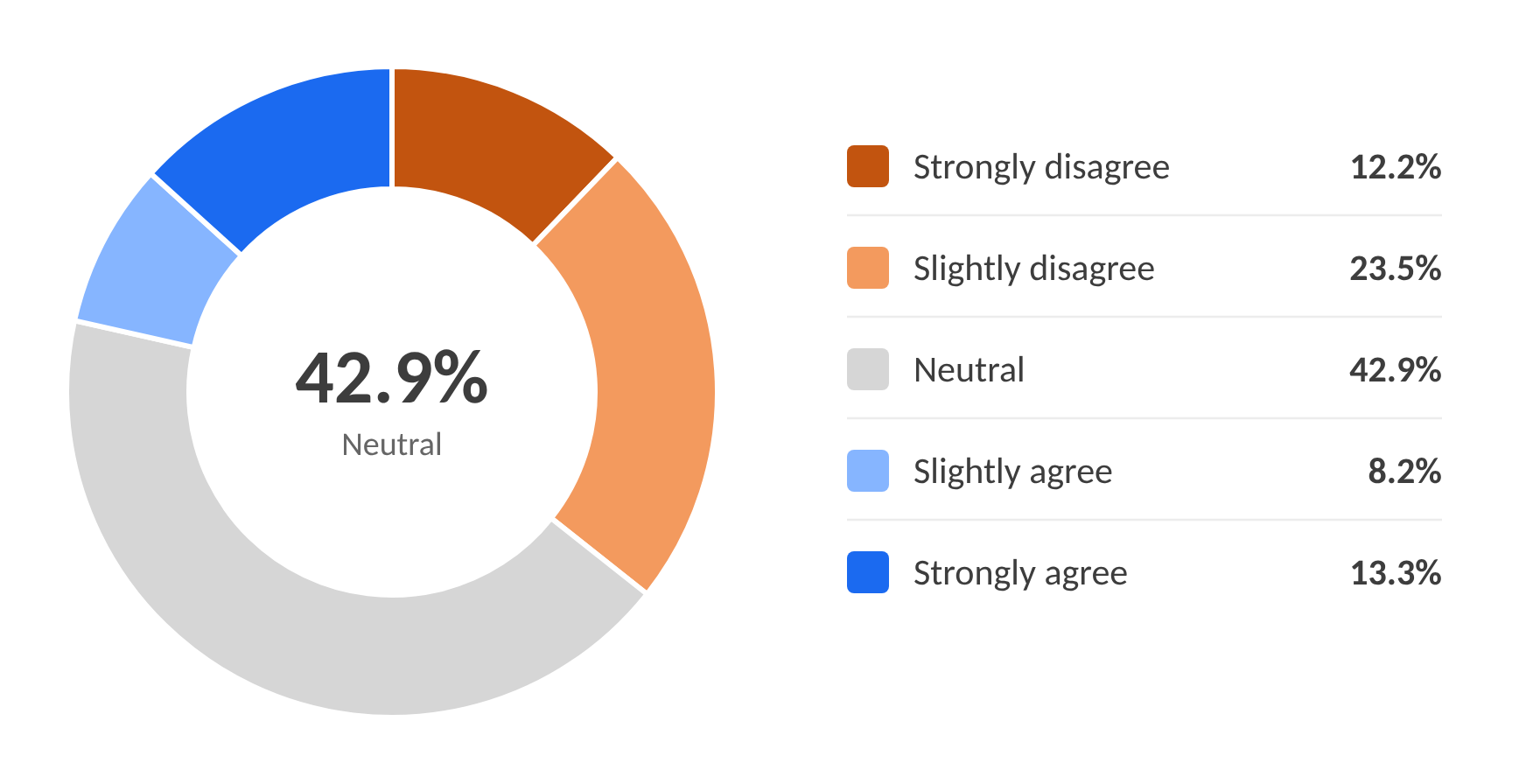
Interestingly, 42% of the participants stated that they would feel neutral if a business offered customer service assistance online. However, this might be because 30% of these respondents indicated that they were 60 years old or older, with 19% in the 45-to-59 age range.
Dog Haus teamed up with Bright Age Digital Creative Agency to boost its awareness and engagement before opening a new location in Canoga Park, California. The first step in executing the campaign strategy was identifying the target market for Dog Haus. After identifying two distinct market groups, adults and students, Bright Age created two unique ads to capture each demographic. The ads ran as Facebook post engagement and Page Like campaigns. Starting a new Facebook page can be challenging, but by the end of the campaign, before opening day, Dog Haus Canoga Park saw a 1,636% increase in likes and 2,700 post engagements, with a click-through rate of 7.57%. On opening day, the restaurant served over 1,000 guests, and it continued to serve an average of 350 meals per day in the weeks following the grand opening.
Why Dog Haus Canoga Park was successful:
“[Bright Age’s] CTR of 7.5% is phenomenal—I actually haven’t seen a CTR that high in quite some time”
Marie Camarano, Facebook Account Manager
Since its successful franchise launch in Canoga Park, Dog Haus has continued to use Bright Age’s services to launch more than 20 additional franchise locations nationwide.16 One of Facebook’s account managers, Marie Camarano, praised Bright Age for its success with Dog Haus, saying, “[Bright Age’s] CTR of 7.5% is phenomenal—I actually haven’t seen a CTR that high in quite some time.” After a store opens, Dog Haus merges the new franchise’s social media account with its corporate social media accounts. By delegating social media posting and engagement with potential customers to Bright Age before each store opening, Dog Haus is able to concentrate on its bottom line and on other store opening opportunities. Additionally, Dog Haus’ corporate social media team can boost current sales by creating buzz around new franchise openings, such as posting photos of people lined up outside the doors of a new store.
Businesses can be more proactive in their social media posting and prepare for the future by staying aware of the technologies currently available to help them, as well as new options that may launch in the future. Businesses should provide customer service responses on social media whether or not they hire dedicated staff for this purpose. It is important to respond and to shape what customers say about your company. Businesses that don’t use social media to reach customers are missing out on gaining potential clients and nurturing existing client relationships.
One of the many companies that saw success with Facebook ads and core audience targeting is Taco Bell.17 The fast-food chain wanted to raise awareness of its new products on Facebook during the summer months, when TV viewing decreases. Taco Bell’s video ads produced a 17% increase in ad recall and an 80% decrease in cost per view, as the videos were specifically targeted toward Taco Bell’s target market. Another company, SurvivalKit.com, saw success with Facebook’s advertising platform, including the use of custom audiences and mobile News Feed placements.18 The company achieved a 100x increase in the size of its customer database from the campaign, as well as a 3x to 4x return on ad spend.
Bright Age offers search engine optimization, graphic design, content creation, and social media advertising to its clients. As a certified Meta Business Partner and Google Partner, the agency can strategically recommend specific Facebook and Instagram ad campaigns to address a business’s particular marketing challenge. Most importantly, Bright Age offers online reputation management strategies and social media management, including 24/7 social media customer care, that improve its clients’ customer service reputations.
Customers already use social media to ask questions and file complaints, and those conversations are public. A fast, personal reply protects the brand’s image and builds loyalty, while poor responses hurt it: one study found that customers who received poor responses showed a 12% decrease in brand loyalty.
Within an hour whenever possible. According to Gartner, 40% of customers who complain on social media expect a response within an hour, and in a recent Emplifi survey nearly nine in ten U.S. social media users expected a reply within 24 hours. Businesses that take more than three hours to respond are reducing their brand value.
Not necessarily. Businesses should respond when an interaction nurtures the relationship with the customer and encourages them to buy again. Questions, complaints, and requests for help should always get a prompt, personal reply.
Social media management software such as Hootsuite or Sprout Social lets a team monitor brand conversations and respond on every platform from one dashboard. Many businesses also work with a social media agency that provides around-the-clock community management and customer care.
Bright Age Digital Creative Agency is a boutique company located in Westlake Village, California, dedicated to developing innovative and award-worthy campaigns that clients can be proud of. Bright Age has earned a Gold award for Social Campaign from the AVA Digital Awards, as well as a Platinum award for Social Media Consumer Engagement from the Hermes Creative Awards. Bright Age offers a wide span of digital services, including social media advertising, market research, search engine optimization, and many more. In particular, Bright Age offers clients online reputation management and social media management services. What makes Bright Age unique among digital marketing agencies is that everyone working at the company holds at least a four-year college degree with an emphasis on marketing or advertising.
Talk with our team of social media experts who understand your brand and the strategies that work in your industry.


